

Quick Answer
May, June, September and early October offer the best balance of warm weather, manageable crowds and reasonable prices across mainland Portugal. July and August are hottest and busiest, particularly in the Algarve. For guaranteed winter warmth, Madeira stays mild year-round, while the mainland’s Algarve remains Portugal’s most reliable spot for a winter sun trip, unlike the wetter, cooler north.
Portugal Isn’t Just the Algarve
Most UK travellers think of Portugal as the Algarve, but the country’s climate varies considerably by region. The north is cooler and wetter, the Algarve is Portugal’s warmest and driest mainland region, the interior gets genuinely hot in summer, and the Atlantic islands, Madeira and the Azores, each have their own distinct microclimate entirely separate from the mainland.
Spring: March to May
Spring brings a noticeable shift as February ends, with the Algarve’s almond blossoms blanketing the fields in pink and white and temperatures climbing steadily through the season. May in particular tends to hit a genuine sweet spot: warm enough for comfortable beach days and sightseeing, without the peak-season crowds or prices.
This is also prime walking and cycling weather across the country, as temperatures ease into a comfortable range before summer’s intensity sets in.
Summer: June to August
June marks the start of proper summer, with hot, dry weather across most of the country and Lisbon’s Santo António and Porto’s São João festivals bringing genuinely lively street celebrations. July and August are the hottest, busiest months, with Algarve beaches in full swing and coastal areas packed with visitors.
Inland regions, particularly the Alentejo and the Douro Valley, can become significantly hotter than the Atlantic coast during summer, so anyone planning inland sightseeing may find spring or autumn considerably more comfortable.
Autumn: September and October
Many experienced visitors rate autumn as Portugal’s best overall season, since the sea stays warm enough for swimming while the crowds and prices drop noticeably from the August peak. October brings the Douro Valley grape harvest, making it an excellent time to combine wine tasting with hiking through the region’s terraced vineyard landscapes.
Winter: November to February
Winter brings Portugal’s rainy season, particularly across the wetter north, though the country still sees considerably more sun than rain overall compared with much of Europe. The Algarve remains the mainland’s most reliable winter escape, staying notably milder and sunnier than the north, which attracts European visitors specifically seeking a winter sun break.
January and December are typically the rainiest and quietest months, making this genuinely the cheapest time to visit, with lower flights and better accommodation deals than any other point in the year.
Madeira and the Azores: A Different Climate Entirely
Madeira stays mild throughout the year thanks to its Atlantic position, making it a genuinely reliable winter sun option when the mainland turns cold and wet. Its subtropical microclimate keeps temperatures comfortable even in January, unlike anywhere on the Portuguese mainland.
The Azores follow a very different pattern, with a temperate maritime climate prone to rapid changes in rain, fog and wind. Weather here is genuinely less predictable than the mainland, so building flexibility into any island-hopping itinerary is worth planning for regardless of season.
The Mainland, Madeira and the Azores Behave Differently
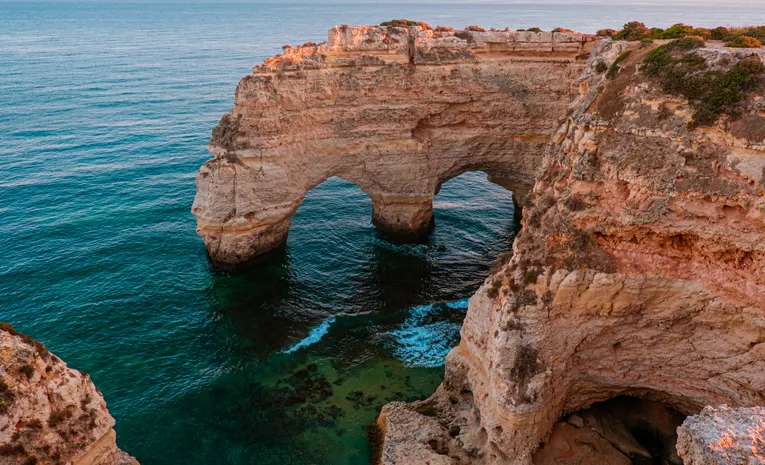
On the mainland, the pattern most UK visitors know is the Algarve’s: long, hot, dry summers and mild but wetter winters. Lisbon follows a similar rhythm, with spring and autumn the sweet spots for a city break — warm enough for outdoor cafés, cool enough for its steep streets. The north around Porto is greener and wetter than the south in every season, while the Alentejo and Douro interiors bake in high summer and drop sharply at night in winter.
Madeira plays by different rules. Sitting far out in the Atlantic, closer to Africa than to Lisbon, it keeps a mild, spring-like climate all year, which is why it works as a genuine winter-sun option when the mainland is in its rainy season. It is the same principle we describe in our guide to the best time to visit Turkey: within one country, the capital, the coast and the islands can each run on their own calendar.
The Azores are different again — greener, wetter and more changeable than both the mainland and Madeira. The islands sit in the path of Atlantic weather systems, so sunshine and rain showers can trade places several times in a single day, and summer, particularly July and August, is the most settled and reliable window. Come in late spring for hydrangeas and whale watching, but pack waterproofs whatever month you choose.
What a Trip to Portugal Costs by Season
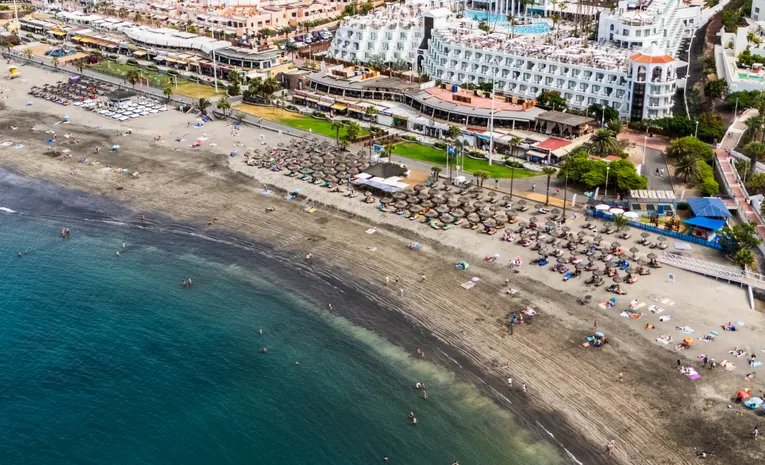
July and August are the most expensive months to visit Portugal from the UK, when the school holidays collide with peak demand from across Europe. Flights to Faro, Lisbon and Porto cost their most, Algarve resorts charge their top rates of the year, and the most popular family hotels can sell out well in advance.
The shoulder months — April, May, June, September and October — are where the value sits. Flights and hotels are noticeably cheaper than in August, beaches and restaurants are calmer, and the south is usually still warm enough to swim. It is no coincidence that southern Europe features so heavily in our guide to the best places to visit in October: October in the Algarve pairs summer-like days with off-peak prices.
Winter is the cheapest season on the mainland, and Lisbon in particular makes a strong-value city break, with the year’s lowest flight prices and hotels dropping their rates even in January. Madeira is the exception: its winter-sun appeal keeps prices steadier there than on the mainland, so it is worth booking ahead for the best choice of flights and hotels.
What This Means for UK Travellers
Portugal sits within a short two-and-a-half-hour flight from most UK airports, making it one of the easiest short-haul destinations for a quick trip regardless of season. As with most Mediterranean and Atlantic destinations, avoiding UK school summer holidays makes a genuine difference to both flight and accommodation costs.
For UK travellers specifically chasing reliable winter sun without a long-haul flight, Madeira stands out as a stronger choice than the mainland Algarve, since its climate stays consistently mild rather than merely “less cold” through winter.
Frequently Asked Questions
Is Madeira warm in winter?
Yes. Madeira’s subtropical Atlantic climate keeps it mild year-round, making it one of the more reliable winter sun destinations within easy reach of the UK.
What’s the cheapest time to visit Portugal from the UK?
November through March consistently offers the lowest flight and accommodation prices, with December and January being the quietest and rainiest months of the year.
Is September or October better for visiting Portugal?
Both work well. September offers slightly warmer sea temperatures for swimming, while October adds the Douro Valley grape harvest and marginally smaller crowds.
How different is the weather in the Azores compared with mainland Portugal?
Considerably different. The Azores have a temperate maritime climate prone to rapid changes in rain, fog and wind, quite unlike the drier, more predictable Algarve on the mainland.
What is the best month for a Lisbon city break?
May and September are the two standout months. Both give you warm, dry days without the intensity of high summer, when Lisbon’s hills become hard work in the heat. May adds long evenings and the run-up to the city’s June festival season, while September is calmer once the August crowds have left — and both months are cheaper for flights and hotels than July and August.
Can you swim in Portugal in May?
Yes, but go in with the right expectations. The Atlantic is cold year-round compared with the Mediterranean, and in May the sea off the Algarve is refreshing rather than warm — fine for a proper swim once you are in, but most people prefer short dips. Sheltered southern beaches warm up first, and the water feels noticeably more comfortable by September and October after a full summer of heating.
Planning your Portugal trip? See our guide to best places to visit in October for more shoulder-season destination ideas, and check our comparison of travel agent vs booking online.