
Quick Answer
Most of Croatia’s coastline is pebble, not sand, which surprises many first-time visitors. For genuine sandy beaches, look to Rab Island’s Paradise Beach or Dugi Otok’s Saharun Beach. For dramatic, photogenic pebble coves, Zlatni Rat on Brač and Stiniva on Vis are the best known, while Banje Beach near Dubrovnik’s Old Town suits those who want a beach without a long journey.
Sand or Pebble? Setting Expectations First
Croatia is famous for its coastal beauty, but its beaches are overwhelmingly pebble and rocky rather than sandy, unlike many other Mediterranean destinations. This isn’t a downside so much as a different experience, with clearer water and fewer issues with sand getting into everything, but it’s worth knowing before you pack flip flops rather than water shoes.
Genuinely sandy beaches do exist, but they’re the exception rather than the rule, concentrated mainly in the northern Adriatic around Rab and Dugi Otok islands.
For Sandy Beaches: Rab and Dugi Otok
Rab Island’s Lopar Peninsula holds around twenty sandy beaches, with Paradise Beach, known locally as Rajska Plaža, being the longest and most popular at around 1.5 kilometres. Its shallow, gently sloping water makes it a strong choice for families with young children.
Saharun Beach on Dugi Otok offers a similarly rare stretch of soft sand, reached via a scenic drive or the seasonal tourist train from Božava. Slanica Beach on Murter Island rounds out the short list of Croatia’s genuinely sandy options.
For Dramatic, Photogenic Coves: Brač and Vis
Zlatni Rat on Brač Island, often called the Golden Horn, is Croatia’s most photographed beach, a striking wedge-shaped spit of fine pebbles that shifts and changes with the Adriatic’s currents. It draws windsurfers on its exposed eastern side and a livelier crowd around the beachside bars.
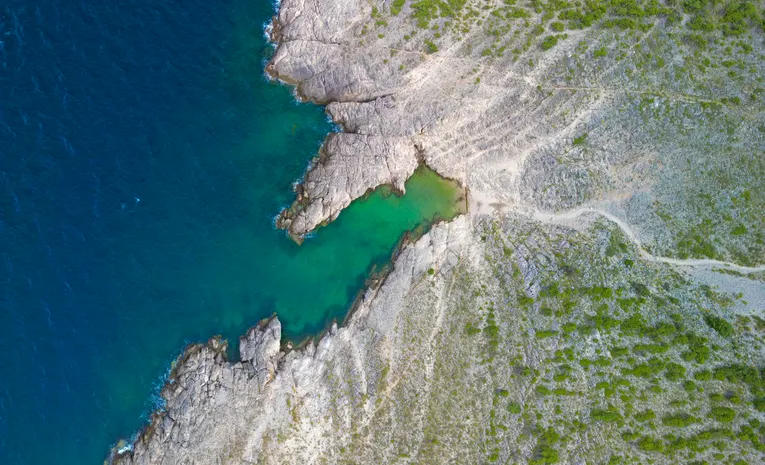
Stiniva Beach on Vis Island has built a reputation as one of the most beautiful coves in Europe, but it comes with real effort attached. It’s reached either by boat or via a steep, rocky path down from the clifftop, so it suits travellers happy to work a little for the view rather than those wanting easy beach access.
For Easy Access Near Dubrovnik and Split
Banje Beach sits just a five-minute walk from Dubrovnik’s Old Town walls, making it the obvious choice if you want beach time without organising transport, complete with beach club facilities and views back toward the historic city.
Bačvice Beach performs the same role for Split, a short walk from the city centre with shallow, warm water that makes it particularly popular with families and casual swimmers rather than those seeking a quiet, secluded spot.
For Island Hopping and Quieter Coves
Mljet, largely covered by national park, offers some of Croatia’s most tranquil beaches, including Saplunara with its pine-framed sandy shore. Hvar’s Pakleni Islands, a short boat ride from the main harbour, hold a scattering of coves suited to a full day of island hopping, from the livelier Stipanska Bay to quieter, family-friendly options nearby.
Lopud Island, part of the Elaphiti archipelago near Dubrovnik, offers Šunj Beach, a wide sandy cove with shallow water that makes it a favourite for families willing to take the roughly hour-long ferry from Dubrovnik.
Matching a Beach to Your Trip
- Travelling with young children: Rab’s Paradise Beach or Bačvice near Split, both known for shallow, gentle water.
- Want beach time without much travel: Banje near Dubrovnik or Bačvice near Split.
- Chasing the most photogenic spot: Zlatni Rat on Brač, though expect crowds during peak season.
- Happy to make an effort for something special: Stiniva on Vis, reached by boat or a steep clifftop path.
- Prefer sand over pebbles: Rab Island or Dugi Otok, Croatia’s most reliable sandy options.
Best Time to Visit
June and September offer the best balance of warm sea temperatures and smaller crowds compared with the peak of July and August, when the best known beaches like Zlatni Rat and Banje become genuinely busy. The Adriatic stays swimmable well into October in a mild year, making late season a good option for a quieter trip.
Frequently Asked Questions
Does Croatia have sandy beaches?
Yes, though they’re less common than pebble beaches. Rab Island and Dugi Otok offer the most reliable sandy options, along with smaller stretches like Šunj on Lopud Island.
Which Croatian beach is best for families?
Bačvice Beach near Split and Paradise Beach on Rab Island both offer shallow, gently sloping water that suits young children, along with easy access from nearby towns.
Is Zlatni Rat worth visiting?
Yes, it’s Croatia’s most photographed beach for good reason, though it gets busy in peak summer. Visiting early in the day or outside July and August gives a noticeably calmer experience.
Do I need a boat to reach Croatia’s best beaches?
Some, like Stiniva on Vis, require a boat or a steep walk down from the clifftop. Others, like Banje near Dubrovnik or Bačvice near Split, are easily reached on foot from the city centre.
Planning the wider trip? See our comparison of travel agent vs booking online for help organising transfers and island hopping, and check what your travel insurance covers before booking any boat excursions.