

Quick Answer
For most of Croatia, May to June and September offer the best balance of warm sea, reliable sunshine and manageable crowds. July and August are the hottest and busiest months, with peak prices in the big resorts and on the islands. Winter is quiet and cheap on the coast, but many island hotels, restaurants and ferry services close, so it suits a city break better than a beach holiday.
The Coast and the Interior Behave Very Differently
Croatia is really two destinations sharing one flag. The Adriatic coast and its thousand-plus islands have a Mediterranean climate: long, hot, dry summers, mild winters and a swimming season that can stretch from May into October. Travel a couple of hours inland and the weather turns continental. Zagreb has warm summers but properly cold winters, and the hugely popular Plitvice Lakes sit in a mountainous region where spring arrives later, autumn rain is heavier and snow is a real possibility in winter.
That split matters when you plan. A week that is perfect for island-hopping off Split could be chilly and wet at Plitvice, and the month that suits a Zagreb city break may be too quiet for the islands. Where you base yourself matters too, because the coast and the interior reward different months. The seasons below focus mainly on the coast, where most UK visitors head first, with notes on the interior where it behaves differently.
Spring: April to June
Spring is when Croatia wakes up. April is mild rather than hot, with daytime temperatures around 15–20°C, and the sea is still bracing at roughly 15°C, so it is a month for sightseeing rather than swimming. Cafés reopen, promenade repairs finish and Easter brings the first small wave of visitors to Dubrovnik and Split, but nothing like the summer crush.
Through May and June the balance shifts steadily in your favour. Temperatures climb into the low to mid-20s, the sea warms to a swimmable 19–22°C, ferry routes move onto their fuller summer timetables and beach clubs, boat trips and island restaurants all open for the season. Because the UK and European school holidays have not yet started, you get long, light evenings and lively towns without the queues, and hotel prices sit noticeably below their August peak.
One thing to get right early: most Croatian beaches are pebble or rock rather than sand, and the right type makes a real difference to a swimming holiday, especially with children. Our guide to choosing a beach in Croatia by type — sand, pebble, shingle or bathing platform — runs through the best options on each stretch of coast.
Summer: Late June to August
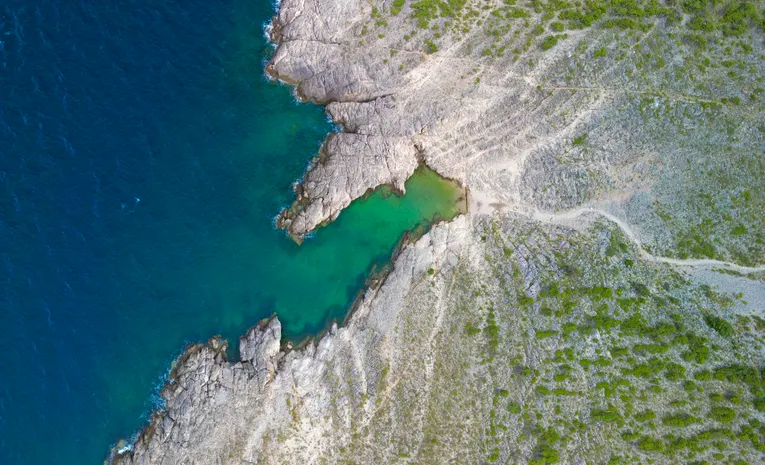
High summer delivers the Croatia of the brochures: air temperatures regularly above 30°C, the sea at its warmest (24–26°C), and every ferry route, beach bar and boat excursion running at full tilt. It is also, unambiguously, peak season. Dubrovnik’s old town fills with cruise-ship crowds by mid-morning, Hvar’s harbour nightlife runs until dawn, and Split becomes a festival city, hosting Ultra Europe in July on top of its role as the main ferry hub for the central Dalmatian islands.
None of that is a reason to avoid July and August — for many families it is the only option — but it does change how you plan. Book flights, accommodation and popular ferries as early as you can, expect to pay the year’s highest prices, and build your days around the heat: sights and old-town wandering before 11am or after 5pm, shade and swimming in between. If you can, visit Dubrovnik on days when fewer cruise ships are in port, and stay a little outside the old towns, where prices and crowds both ease.
Autumn: September and October
September is the connoisseur’s month. The sea reaches its warmest of the year after a summer of heating — around 23–24°C early in the month — while the crowds drain away within days of the schools going back. Prices for flights and hotels fall, restaurant bookings get easier, and the light turns golden. On land it is harvest season: grape picking in the vineyards of the Pelješac peninsula and Istria, olive oil appearing at farm stalls, and truffle season beginning in the Istrian interior.
October is a genuine shoulder month rather than a write-off. Early October on the southern coast is often still mild enough for lunch outdoors and a quick swim, and Dubrovnik and Split are far more pleasant to explore without the summer crush. The trade-off is that the islands wind down: from mid-October many island hotels, restaurants and beach facilities close for the winter and ferry timetables thin out, so an October island base needs checking before you book. If you are weighing up where else works well at this time of year, our guide to the best places to visit in October sets Croatia alongside the other strong autumn options.
Winter: November to March
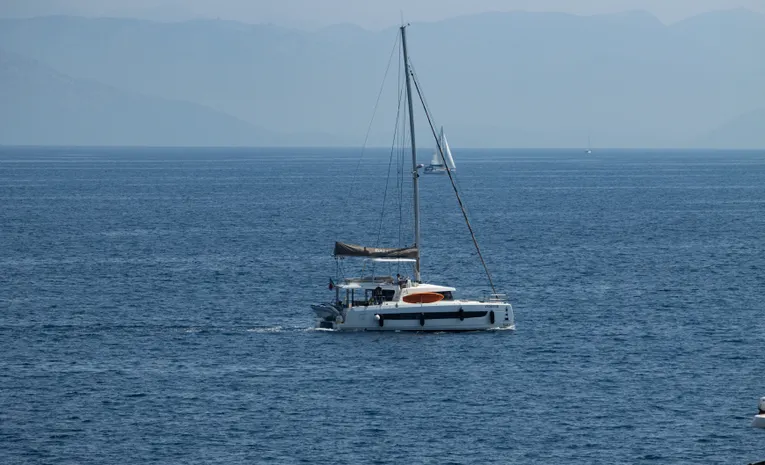
Winter splits Croatia in two more sharply than any other season. The coast goes quiet: many resort hotels shut, ferry services drop to a skeleton timetable for islanders rather than visitors, and the fierce bora wind can sweep down from the mountains for days at a time, making the sea dramatic but distinctly unswimmable. In return, you get Dubrovnik’s old town almost to yourself, honest local life in the cafés of Split, and the lowest prices of the year.
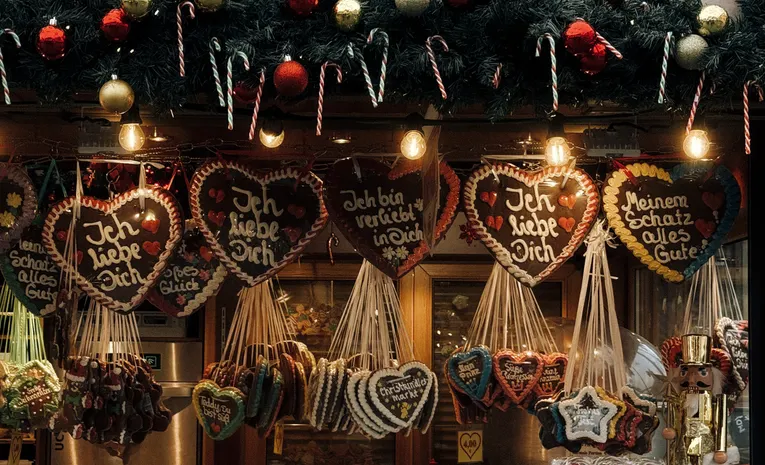
Zagreb, meanwhile, has its best month in December, when its Advent Christmas markets — repeatedly voted among the best in Europe — fill the centre with stalls, skating and street food; Plitvice in deep winter, waterfalls edged with ice, is beautiful if you dress for well below freezing. Flights from the UK are at their cheapest in January and February, though some direct coastal routes pause until spring. If you want to time your booking to catch those fares at their lowest, our guide to the best time to book flights for the cheapest prices from the UK explains how far ahead to buy.
What This Means for UK Travellers Specifically
The practicalities are kind. Flights from London to Split, Dubrovnik or Zagreb take roughly two and a half to three hours, and in the summer season there are direct services from a wide spread of UK regional airports too, including Manchester, Birmingham, Bristol, Edinburgh and Leeds. Croatia is only one hour ahead of the UK, so there is no jet lag to plan around, and since 2023 the country has used the euro, which makes budgeting and card payments straightforward.
The calendar matters more than the distance. UK school holidays drive the sharp July and August price spike, so families tied to term dates should book flights and family-run accommodation as early as possible and consider the last week of August, when prices sometimes soften slightly. If you are not tied to the school calendar — couples and flexible travellers especially — September gives you the warmest sea of the year with peak-season pressure removed, and it is the single month we would pick first for most itineraries.
Frequently Asked Questions
What is the cheapest month to visit Croatia?
For flights and city hotels, January and February are cheapest, but the coast is very quiet then and many island services are closed. For a trip that still feels like a holiday, May, early June and October offer the best value-to-weather balance.
When is the sea warmest for swimming?
Late August and early September, when the Adriatic reaches around 24–25°C after a full summer of heating. September is the smarter pick of the two: the sea is just as warm, but the crowds and prices have already dropped.
Is October too late to visit Croatia?
Not for sightseeing. Dubrovnik, Split, Zagreb and Plitvice are all rewarding in October, and early in the month the southern sea is usually still swimmable. It is too late, though, for a classic island-hopping trip, because many island businesses close and ferry timetables shrink from mid-October.
How many days do you need in Croatia?
Seven days suits one coastal base with day trips to an island or two and a day at Plitvice or Krka. With ten to fourteen days you can combine the coast with Zagreb and move at a gentler pace — allow at least two nights in each place so ferry days do not eat the trip.
Is Croatia worth visiting in winter?
Yes, if you go for the right reasons. Zagreb’s Advent markets make a superb December city break, and Dubrovnik without the crowds is a pleasure for a long weekend. It is not, however, a winter-sun beach destination: expect cold winds, short days and a sea you will admire rather than enter.