

Quick Answer
For European flights from the UK, book six to ten weeks before departure. For long-haul, book three to five months ahead. January and February are consistently the cheapest months to actually fly, while the last two weeks of July, all of August, and late December are the most expensive due to UK school holidays. The idea of one universally “best day of the week” to book is genuinely disputed between data sources, so it matters far less than your overall booking window.
Booking Window Matters More Than Day of the Week
Most flight-pricing advice focuses on finding a magic day to book, but the data that actually holds up consistently points to something simpler: how far ahead you book matters more than which day you click buy. Airlines split each flight into fare buckets, roughly ten to twenty six pricing tiers, and release the cheapest ones first. Once those sell, the “cheapest available” price jumps to the next tier, which is why a fare can rise sharply once the early seats are gone.
UK Booking Windows That Actually Work
For most European destinations from the UK, the sweet spot is six to ten weeks before departure. Long-haul routes work on a longer cycle, with airlines releasing inventory nine to twelve months ahead, and two genuine dips in price: an early release window aimed at stimulating demand, and a second dip around three to four months before departure as unsold seats need filling.
Summer Mediterranean routes to Spain, Greece, Portugal, Turkey and Italy follow a fairly predictable pattern once you know it. July and August fares are almost always at their lowest when booked eight to twelve weeks out, and shoulder-season fares to the same destinations typically run thirty to forty per cent cheaper than the August peak.
The Cheapest Months to Actually Fly
January and February are consistently the cheapest months to fly from the UK, regardless of destination, as demand drops sharply after the Christmas and New Year period. The most expensive periods are the last two weeks of July, all of August, and the final ten days of December, driven almost entirely by UK school holiday timing.
A family of four booking a package to Greece in the last week of July or August can genuinely expect to pay £600 to £1,200 more than the exact same accommodation and flights booked for the first or second week of September instead.
Is There Really a Best Day of the Week to Book?
Here’s where honesty matters more than a clean answer: sources genuinely disagree. Some 2026 UK-focused research from Expedia and Forbes points to Sunday as the best day for deals. Other data, largely from US-focused analysis by Kayak and NerdWallet, points to Tuesday or Friday instead. The truth is that airline pricing now updates continuously throughout the day rather than in a single weekly batch, which is why the old “always book on Tuesday” advice, dating back to when airlines loaded new fares overnight, no longer holds up the way it once did.
What’s far more consistent across every source is that flying midweek, Tuesday through Thursday, tends to be cheaper than flying on a Friday or Sunday, when demand from weekend leisure travellers pushes prices up.
Practical Tips for Booking Cheaper Flights
- Use a fare calendar, not a single date search: Viewing a full month at once, rather than one fixed date, makes price differences between days genuinely obvious at a glance.
- Set price alerts once you’ve picked a route: Most major search tools will notify you automatically when a fare drops, removing the need to check manually every day.
- Book Mediterranean summer trips eight to twelve weeks out: This window consistently produces the lowest fares for the UK’s most popular short-haul routes.
- Avoid the last two weeks of July and all of August where possible: If your dates are flexible even by a week either side of the school holidays, the savings are substantial.
- For long-haul, watch for the second price dip: Around three to four months before departure, unsold long-haul seats often get repriced downward.
How Airport and Route Choice Changes the Price
The same destination can cost noticeably different amounts depending on which airport you leave from. London’s airports compete with each other, so a route served from Heathrow, Gatwick, Stansted, Luton and London City is worth pricing from each, provided the journey to the airport does not eat the saving. Regional airports such as Manchester, Birmingham, Edinburgh, Bristol and East Midlands sometimes beat London on the same route because a single airline dominates, and sometimes cost more for the opposite reason, so the only rule is to compare your realistic options rather than assume the capital is cheapest.

Routing matters just as much. A direct flight is usually the most expensive way to reach a destination that also has one-stop options, and a connection through a hub can cut the fare substantially at the cost of hours and a small misconnection risk. The mirror-image trick is the arrival airport: flying into a secondary airport near your destination, or a larger city with a cheap onward train, often undercuts the obvious airport. While you plan connections, our guide to how to avoid jet lag is worth reading before you book a long-haul itinerary with an awkward arrival time.
Booking Mistakes That Cost UK Travellers Money
The most expensive mistakes are clerical, not strategic. A misspelt passenger name that does not match the passport can mean a change fee or, with strict low-cost carriers, a new ticket, so book under the exact passport name, not a nickname or a maiden name you no longer travel under. Baggage is the second trap: a fare that looks cheapest with hand luggage only often stops being cheapest once a hold bag is added at the post-booking price, which is higher than adding it upfront, so compare the all-in cost before you commit.
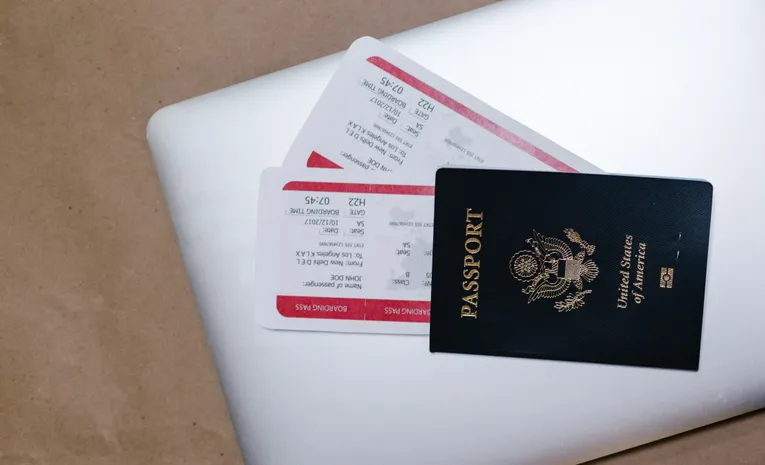
Two checkout traps follow. Paying in the wrong currency, for example letting a foreign airline’s site charge you in euros or dollars at its own conversion rate, usually costs more than paying in pounds or choosing your card’s rate carefully. And third-party sites and pop-up extras, from seat selection you do not need to insurance you already hold, quietly rebuild the saving you just found; the discipline is to book the flight itself as plainly as possible and add only what you will genuinely use. For the packing side of the same discipline, see our smart travel packing tips.
One more thing to check before you book a European trip: our guide to ETIAS for UK citizens, and what is actually true right now, explains whether the new EU travel authorisation affects your plans.
Frequently Asked Questions
How far in advance should I book a flight from the UK?
For European flights, six to ten weeks ahead. For long-haul flights, three to five months ahead generally gives the best combination of choice and price.
What’s the cheapest month to fly from the UK?
January and February are consistently the cheapest months, while the last two weeks of July, August, and late December are the most expensive due to school holidays.
Is there really a best day of the week to book flights?
Sources disagree, with UK-focused data pointing to Sunday and US-focused data pointing to Tuesday or Friday. What’s consistent is that flying midweek is generally cheaper than flying at the weekend.
How much can I save by avoiding UK school holidays?
A family of four can save £600 to £1,200 on a typical package holiday by shifting travel from the last week of July or August to early September instead.
Should I book flights and hotel together or separately?
Neither is always cheaper. A package that bundles flights and hotel can undercut separate bookings, particularly to Mediterranean resorts in peak season, and it brings ATOL protection, which matters if a company fails. Booking separately gives more choice of flight times and independent hotels, and can win outside peak periods or for city breaks. The honest method is to price both for your exact dates and compare the all-in totals, including baggage and transfers, rather than assuming one route is the thrifty one.
How can I tell if a flight deal is genuine?
Check it in three places. First, search the same flights on the airline’s own site: a genuine bargain usually appears there too, perhaps a little higher, while a fare that exists only on an unfamiliar third-party site is a warning sign. Second, read the all-in price to the final checkout screen, since some advertised fares exclude baggage, card fees or the return leg’s taxes. Third, be suspicious of prices dramatically below every other result for a popular route in peak season, and of pressure tactics or countdown timers; real airline sales are listed on the airline’s site and do not need them.
Planning your next trip and want help finding the best fares and dates? See our comparison of travel agent vs booking online, and check our best places to visit in October guide for shoulder-season destination ideas.