

Quick Answer
For a coastal weekend, the Jurassic Coast around Lulworth Cove and Durdle Door offers dramatic scenery within a short drive of London. For countryside and spa relaxation, the Cotswolds and the Lake District lead the way. For a lively seaside atmosphere, Brighton combines beach, nightlife and easy rail access. Most UK weekend breaks work well as two nights, with three suiting a slower, more rural trip.
Choosing Your Type of Weekend Break
UK weekend breaks fall into a few clear categories, and picking the right type matters more than picking a specific destination. A coastal break suits fresh air and dramatic scenery. A spa break suits pure relaxation. A countryside break suits slower walking and food-focused trips. Deciding which type you want first makes choosing a specific place much easier.
Coastal Weekend Breaks
The Jurassic Coast, particularly the stretch around Lulworth Cove and Durdle Door, offers some of England’s most striking coastal scenery within a genuinely manageable drive of London. Beyond the famous limestone arch itself, the area includes Corfe Castle’s atmospheric ruins and the golden sweep of Studland Bay.
Brighton offers a different kind of coastal weekend, built around a lively, bohemian atmosphere rather than quiet scenery. The Royal Pavilion, Brighton Palace Pier and a genuinely strong restaurant scene make it one of the most popular short breaks from London, helped by a journey time of under an hour by train.
Countryside Weekend Breaks
The Cotswolds deliver the classic image of English countryside, with honey-coloured stone villages and rolling hills that suit a slower pace than a city break. It works well for couples and groups wanting good food and gentle walking over a packed sightseeing schedule.
The Lake District offers a more dramatic countryside break, with proper walking and climbing alongside its lakes and fells. It suits travellers wanting genuine outdoor activity rather than a purely relaxed weekend.
Spa Weekend Breaks
Bath combines a spa weekend with genuine cultural depth, thanks to its Roman Baths and natural thermal waters, making it one of the few destinations that blends relaxation with sightseeing in one trip. It suits travellers who want spa time without giving up a proper city to explore.
Beyond Bath, the UK’s spa hotel scene spans the Cotswolds, Yorkshire and coastal towns like Bournemouth, with options ranging from affordable single-night escapes to multi-night luxury retreats. Urban spa hotels suit those wanting shopping and entertainment alongside relaxation, while countryside manor spas suit those wanting genuine peace and quiet.
What a Weekend Break Typically Costs
Spa breaks in the UK range from around £150 for an affordable single-night escape up to £500 or more for a lavish multi-night retreat, generally including accommodation, breakfast, at least one treatment, and full use of the spa facilities. Coastal and countryside cottage stays vary considerably by season, with prices rising sharply around school holidays and bank holiday weekends.
How Long Should a Weekend Break Be?
Two nights suits most coastal and city-adjacent breaks well, giving enough time to properly explore without needing to rush. Three nights works better for countryside and spa breaks, where the pace is naturally slower and the point is to properly unwind rather than tick off a list of sights.
Coastal, Countryside or Spa: How the Three Compare
On cost, the three types sit in a fairly clear order. A countryside break in a self-catering cottage, inn or small bed and breakfast is often the lowest-cost option outside the most famous villages, especially if you cook some meals yourselves. A coastal break usually sits in the middle: seaside hotels and holiday flats charge a premium in summer and on bank holidays, but the beach, walks and views themselves cost nothing once you arrive. A spa break is usually the most expensive of the three, because you are paying for facilities, treatments and a higher standard of hotel on top of the room itself.
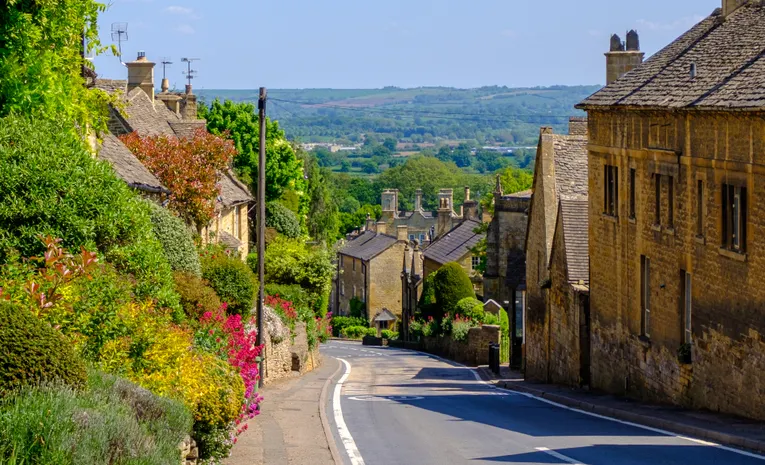
Travel time also differs. Many coastal favourites are a short, direct rail journey from a major city, which makes them easy to reach on a Friday evening after work. Countryside areas such as the Cotswolds and the Lake District usually take longer and often need a car for the final stretch, so more of a short weekend is spent travelling. Spa hotels are spread across both settings, so journey time depends more on the individual hotel than on the type of break. If you would rather spend that travel time sightseeing, our guide to best UK city breaks compares cities that work well as an alternative.
Season and company matter, too. The coast is at its best in late spring and summer, when swimming and long evenings are realistic, and it suits families, walkers and anyone who wants fresh air. The countryside shines in spring and autumn, when lanes and trails are quieter, and it suits couples and groups after good food and gentle walking. A spa break is the least weather-dependent, peaks in winter as an escape from the dark, and suits couples and friends who mainly want to rest. In short, choose the coast for scenery and energy, the countryside for space and slowness, and a spa for recovery.
What a UK Weekend Break Typically Costs
Think of the total in three parts: getting there, staying there, and spending while you are there. Transport is largely a fixed cost however long you stay. Advance rail fares booked early are usually much lower than peak-time tickets bought on the day, while driving spreads fuel and parking costs across everyone in the car, which can make a car full the cheapest way for a group or family to travel. Staying outside the very centre or the most famous village, and travelling outside school holidays, usually lowers the accommodation part more than any other single choice.

The choice between one night and two nights changes the balance. One night keeps the hotel bill low, but you pay the same transport cost for far less time away, and you arrive and leave in a rush. A second night typically adds the cost of one more night’s accommodation and another day of food, yet it often makes the trip feel twice as long, because you gain a full unhurried day in between. That is why two nights usually offer better value overall, even though the total spent is higher.
Finally, allow for the spa premium if that is your type of break. Access to pools and thermal facilities, treatments, and afternoon teas or dinners in the hotel all add to the bill compared with a simple room elsewhere, and prices rise at weekends and in peak season. You can keep that premium down by choosing a hotel where spa access is included rather than added, booking fewer treatments, and eating at least one meal outside the hotel. Families comparing a weekend break with a longer trip should also see our guide to best family holidays in the UK, matched to your children’s ages, which explains how costs change with children’s ages.
Frequently Asked Questions
What’s the best type of weekend break in the UK?
It depends what you want. Coastal breaks like the Jurassic Coast or Brighton suit scenery and energy, countryside breaks like the Cotswolds or Lake District suit a slower pace, and spa breaks like Bath suit pure relaxation.
How much does a UK weekend break typically cost?
Spa breaks range from around £150 for a single night to £500 or more for a luxury multi-night stay. Coastal and countryside cottage stays vary widely by season, with the highest prices around school holidays.
Is two nights enough for a UK weekend break?
For most coastal or city-based trips, yes. Countryside and spa breaks often benefit from a third night to properly slow down and relax.
Do I need a car for a UK weekend break?
For coastal spots like the Jurassic Coast and most countryside destinations, yes. Brighton and Bath are both well connected by train and manageable without one.
How many nights do you need for a UK weekend break?
Two nights suits most trips, because it gives you one full day without travel at either end. One night can work for a spa hotel or a coastal town close to home, while three nights suits countryside areas that take longer to reach, or any break where the aim is to slow right down.
What is the cheapest type of weekend break in the UK?
A countryside break in self-catering accommodation outside the most famous hotspots is usually the cheapest, especially outside school holidays and bank holiday weekends. An off-season coastal break can cost a similar amount. Spa breaks are usually the most expensive type, because facilities and treatments are charged on top of the room.
Planning a longer UK trip around your weekend break? See our UK travel guide, our guide to Lake District accommodation, and our comparison of travel agent vs booking online if you’d rather have help planning the trip.