

Quick Answer
Edinburgh and York suit history and atmosphere, Manchester and Liverpool suit nightlife and music culture, Bath suits a relaxed spa-town break, and Bristol suits food and creative culture. Most UK city breaks work well over two or three nights, with direct rail links from London making many of these cities easy to reach without flying.
Why the UK Works So Well for City Breaks
The UK’s compact size and strong rail network make it genuinely easy to fit a proper city break into a long weekend, without the airport time that comes with flying abroad. Many of the country’s best cities sit within two to three hours of London by train, making a short break straightforward to plan even at short notice.
Best for History and Atmosphere: Edinburgh and York
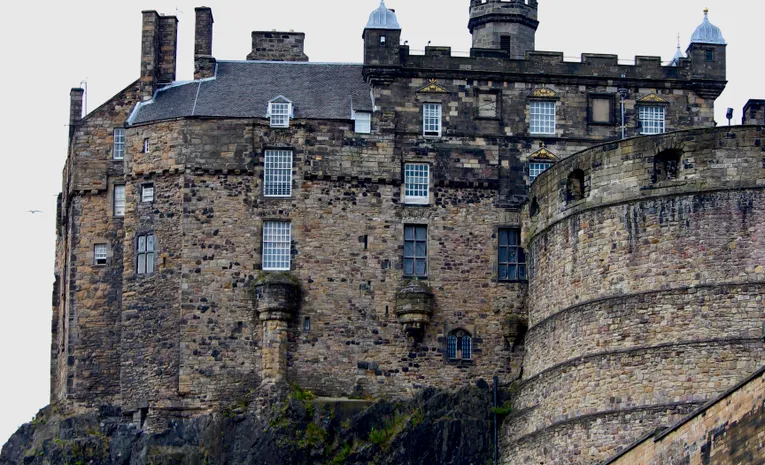
Edinburgh’s Old Town sits below the nine hundred year old castle, with the Royal Mile’s cobbled streets giving the city a genuinely dramatic, historic atmosphere unlike anywhere else in the UK. It suits travellers who want history alongside a proper capital city’s restaurant and bar scene.
York, contained within England’s most complete set of medieval city walls, offers a similar historic pull on a smaller, more walkable scale. The Shambles, a narrow medieval street of overhanging timber buildings, and York Minster make it one of the most picture-postcard cities in England.
Best for Nightlife and Culture: Manchester and Liverpool
Manchester has built a reputation as one of the UK’s best student cities, with a genuinely lively nightlife scene and a strong independent food and coffee culture across its compact city centre. It suits travellers wanting an energetic, youthful break.
Liverpool topped a recent Which? survey of the UK’s best big city breaks, scoring particularly highly for cultural sights, food and accommodation. Albert Dock brings together several free museums and galleries, including Tate Liverpool and the Museum of Liverpool, alongside the Three Graces waterfront buildings and the city’s famous Beatles heritage.
Best for a Relaxed Break: Bath
Bath’s Georgian architecture and Roman Baths give it a slower, more elegant pace than the UK’s larger cities, making it a strong choice for a relaxed, spa-town style break rather than a high-energy trip. Its compact centre makes it easy to see the main sights within a single day, leaving time for the thermal spa itself.
Best for Food and Creative Culture: Bristol
Bristol has built a reputation as an innovative, creative city, known for its street art scene, including several works by Banksy, alongside Brunel’s engineering landmarks and a strong independent food and drinks culture. It suits travellers who want a city with a genuine creative edge rather than a purely historic feel.
Best for a First-Time International Visitor: London
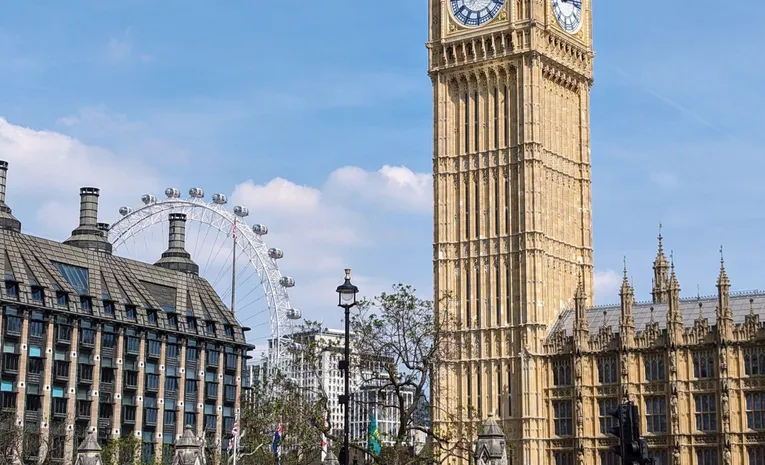
London remains the obvious choice for a first UK city break, offering world-class museums, theatre and restaurants alongside iconic landmarks. Two to three days gives a solid overview of the city’s highlights without feeling rushed, though it suits travellers wanting a bigger, busier trip than the UK’s smaller cities.
How to Choose the Right City for You
- Want dramatic history and atmosphere: Edinburgh or York.
- Want nightlife and a youthful energy: Manchester or Liverpool.
- Want a slower, more relaxed pace: Bath.
- Want food, art and creative culture: Bristol.
- First visit to the UK: London, as a broad introduction.
Planning Your Trip
Two to three nights suits most UK city breaks well, giving enough time for the main sights without needing a car in most cases, since city centres are generally walkable and well connected by rail. Booking train tickets in advance rather than on the day can meaningfully reduce the cost of getting there.
If you are not limiting yourself to cities, our guide to the best weekend breaks in the UK, from coastal and countryside escapes to spa stays, will help you weigh up the alternatives.
City Breaks by Interest: History, Food, Nightlife and Shopping
Most travellers do not pick a city at random. They pick it for one main interest, so it helps to match the city to that interest first. For history, Edinburgh and York are the strongest all-round choices, Bath adds Georgian elegance and Roman remains, and London offers the deepest bench of historic sites of any UK city. History-led trips also tend to be good value, because so much of what you go to see, old towns, cathedrals from outside, walls and waterfronts, can be enjoyed simply by walking.
For food, Bristol and Liverpool stand out for independent restaurants and markets, while London has the widest range at every budget. For nightlife and live music, Manchester and Liverpool are the usual first choices, with Edinburgh lively during its festival season. For shopping, London is unmatched for scale, Manchester is the strongest northern option, and Bath and York suit smaller, independent shops in historic settings. If the capital is your choice, plan it properly with our guide to things to do in London, prioritised by trip length.
What a UK City Break Typically Costs
Getting there is usually the first big cost. Rail is often the most convenient way into a city centre, and advance tickets booked early are typically far cheaper than peak walk-up fares on the day. Driving can work out cheaper for a group sharing fuel, but city-centre parking, congestion and the time spent in traffic eat into both the budget and the weekend, and most visitors end up walking or using local transport once they arrive anyway. For a couple travelling light, rail booked ahead is hard to beat on overall value.
Where you sleep matters as much as how you travel. Central hotels charge a premium for location, and in the most popular cities that premium rises sharply at weekends, during festivals and around major events. Staying a short walk or a brief bus or tram ride into the outskirts usually lowers the nightly cost considerably, at the price of a little daily travel. The other side of the ledger is sightseeing: many major UK museums and galleries are free to enter, in London, Liverpool and Edinburgh especially, so a city break can cost surprisingly little once you are there if your days lean on free collections, parks and walking. Paid attractions, theatre tickets and eating out are what push a city break up a band. If you are comparing a city with a slower alternative, our guide to best weekend breaks in the UK sets out how coastal, countryside and spa costs compare.
Frequently Asked Questions
What is the best UK city break for a first visit?
Edinburgh and York are strong choices for their historic atmosphere, while London suits travellers wanting a bigger, more internationally recognisable first trip.
Which UK city is best for nightlife?
Manchester and Liverpool both offer strong nightlife scenes, with Manchester particularly known for its student-city energy and Liverpool for its live music heritage.
How many days do you need for a UK city break?
Two to three nights suits most UK cities well, giving enough time to see the main sights without needing to rush.
Do I need a car for a UK city break?
Generally no. Most UK city centres are compact and walkable, and rail links between major cities are strong enough that a car usually isn’t necessary.
What is the cheapest UK city break?
There is no single cheapest city in every season, but smaller northern cities such as Liverpool and Manchester often work out among the lowest-cost options, especially outside major events. Staying just outside the centre, travelling by advance rail ticket, and building your days around free museums and galleries keeps any UK city break cheaper.
Planning transport for your city break? See our UK travel guide for getting around the country, and check our comparison of travel agent vs booking online if you’d rather have help planning the trip.