
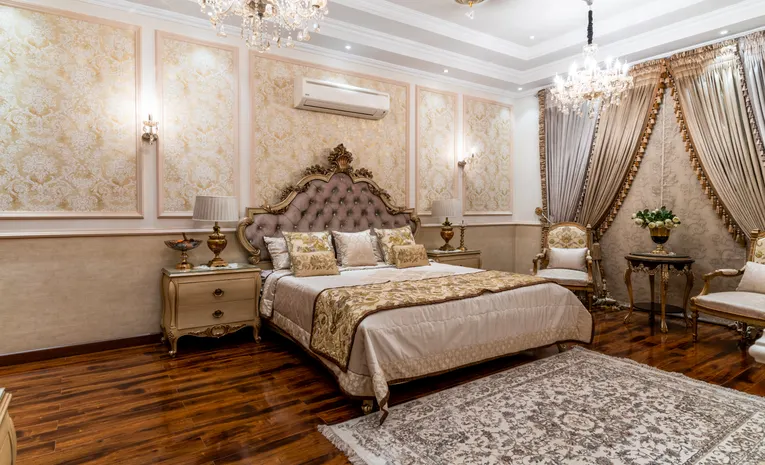

Choosing where to sleep shapes a UK break more than most travellers expect. The same town can feel completely different from a chain hotel on the ring road and from a family run bed and breakfast on a quiet residential street. One gives you consistency and freedom to come and go at any hour, while the other gives you a cooked breakfast, a host who knows the area, and a room with real character. The right choice depends on your budget, your travel style, and what you want from your days away.
Quick Answer
Choose a hotel for predictable standards, a 24 hour reception, flexible check in, and facilities such as a restaurant, bar, or gym. Choose a B&B for a cooked breakfast included, personal service, local advice, and often better value in smaller towns and the countryside. For a short city break or a late arrival, a hotel usually wins. For a slow weekend in the countryside or a coastal town, a B&B is often the better stay.
What a Hotel Actually Gives You
A hotel is built around consistency. You know roughly what you are getting before you arrive, because rooms, service, and facilities follow a set standard. Reliable Wi-Fi, daily housekeeping, and an en-suite bathroom are normal at every level, from budget chains to five star hotels. Larger hotels add a restaurant, a bar, and often a gym or pool. The 24 hour reception is the feature many travellers value most. You can check in late, leave before dawn, and ask for help at any hour. If you want to learn how room categories differ before you book, our guide to hotel room types explains suites, doubles, and family rooms in plain terms. Hotels also suit travellers who want privacy. You can spend a whole weekend without speaking to anyone except the receptionist.
What a B&B Actually Gives You
A B&B is usually a private family home with a small number of guest rooms, often fewer than ten. That small scale is the whole point. Your host greets you, cooks your breakfast, and can tell you which pub serves the best Sunday lunch. Rooms often have far more character than a standard hotel room, with antique furniture or a building that is centuries old. Breakfast is almost always included in the room rate and is usually cooked to order. Many B&Bs sit in residential streets or villages where hotels do not exist, so they can put you closer to the countryside, the coast, or a small town centre. See our guide to a bed and breakfast in the Lake District for how this works in a popular walking area. Standards vary more than in hotels, because each B&B is independently owned, so check recent reviews and look for AA guest accommodation awards or VisitEngland quality marks.
Price: What You Really Pay
On headline price alone, B&Bs often look cheaper, but the honest comparison is the total cost of the stay. Recent 2026 price trackers put a typical B&B double room at roughly 70 to 120 pounds a night, with an England wide average near 111 pounds, breakfast included. A three star hotel in a city such as Bath averages around 104 pounds a night, and a budget hotel around 83 pounds, before breakfast. So the two often cost a similar amount, and the B&B pulls ahead once you add breakfast for two. Hotels can be cheaper in cities where budget chains compete hard. B&Bs rarely discount as deeply, but their rates are steadier and often include parking, Wi-Fi, and breakfast. Always check what is included before you compare. A hotel room at 85 pounds plus 15 pounds each for breakfast is not cheaper than a B&B at 110 pounds with breakfast included. Also check cancellation terms. Hotels often allow free cancellation a day or two before arrival, while small B&Bs may ask for a deposit.
Breakfast: The Meal That Decides Many Trips
Breakfast is where the two options differ most. In a B&B, breakfast is the centrepiece. It is cooked fresh, served at a set time, and often uses local produce. For many guests, it is the best meal of the day and a genuine reason to choose a B&B. In a hotel, breakfast is usually a buffet or a continental spread, sometimes included and sometimes charged separately. A buffet suits early risers and families, because you eat when you like. If breakfast matters, ask two questions before booking: is it included, and if not, how much does it cost, and what time is it served? B&Bs often serve between 7.30 and 9.30 in the morning, which suits most holidaymakers but not an early start, while hotels generally serve earlier and for longer.
Space, Privacy and Flexibility
Hotels win on space and flexibility. Rooms are usually larger, bathrooms are en-suite as standard, and you can come and go freely. Families can book connecting rooms or a family room, and hotels usually have lifts, accessible rooms, and space for luggage and pushchairs. B&Bs are more compact. Some rooms share a bathroom, though en-suite rooms are now common, and stairs can be steep in older buildings, so check access if anyone in your party has limited mobility. Check in times are also stricter at a B&B. Many hosts ask you to arrive between 4 and 7 in the evening and may not be able to welcome you late at night. Hotels, with staff on duty around the clock, take late arrivals without fuss. B&Bs offer a different kind of flexibility, though. Hosts will often hold luggage, lend you maps, or serve breakfast early if you ask the night before. If you are travelling with a dog, a small B&B can often arrange it where a hotel has a fixed policy.
Location and Local Knowledge
Where you stay decides how your days feel. Hotels cluster where travellers already go, near city centres, airports, and motorways, which suits short stays where you want to be close to the action. B&Bs are spread much more widely, filling the gaps hotels leave, in villages, on country lanes, and in residential streets a short walk from the seafront. If you are planning one of the best UK city breaks, a central hotel usually makes the most sense. For a walking holiday, a coastal break, or a slow weekend exploring a national park, a B&B often puts you closer to the landscape you came to see. Local knowledge is the B&B’s quiet advantage. A host who lives in the area can tell you which beach is sheltered from the wind and which route avoids the crowds on a bank holiday.
Who Each One Suits Best
Couples on a romantic weekend often love a B&B, because the rooms have character, breakfast is unhurried, and the host can recommend a quiet restaurant. Families with young children often prefer a hotel, because there is more space and breakfast is flexible, though many family run B&Bs welcome children warmly too. Our guide to family holidays in the UK can help you match the accommodation to your children’s ages. Solo travellers who enjoy conversation will like a B&B, while those who want privacy will prefer a hotel. Business travellers and anyone arriving late should choose a hotel for the 24 hour reception, while walkers and cyclists will usually get more from a B&B, including packed lunches and drying space for wet boots. The deciding question is simple. Do you want a base that takes care of itself, or a stay that feels like part of the holiday?
How to Decide in Five Minutes
Start with your arrival time. If you will arrive after 8 in the evening, book a hotel or confirm a late check in with the B&B first. Next, work out the true total cost, with breakfast and parking included. Then check the location on a map and count the walk to the places you plan to visit. Read the last ten reviews and look for recent comments about cleanliness, noise, and breakfast. Finally, ask yourself what you want from the stay itself. If the room is only a place to sleep, choose the cheaper or more convenient option. If the stay is part of the experience, a B&B will usually give you more.
Frequently Asked Questions
Is a B&B cheaper than a hotel in the UK?
Often, yes, once breakfast is counted. A typical B&B double room costs roughly 70 to 120 pounds a night with breakfast included, while a comparable hotel room often costs similar before breakfast. Budget hotels in cities can undercut B&Bs, so compare the total cost, not the room rate.
Do B&Bs always include breakfast?
Almost always. Breakfast is included in the room rate in nearly every case. Check the listing to confirm, and ask what time breakfast is served, because times are usually fixed.
Are B&Bs suitable for families with children?
Many are, especially family run B&Bs with family rooms, but some smaller properties are adults only or have steep stairs and shared bathrooms. Check the listing and ask the host directly before booking.
Can I check in late at a B&B?
Usually not without arranging it in advance. Most B&Bs have set check in hours, often between 4 and 7 in the evening. If you will arrive late, tell the host when you book. Hotels with 24 hour reception are safer for late arrivals.
How do I know a B&B is good quality?
Read recent reviews, look for AA guest accommodation awards or VisitEngland quality marks, and check the listing photos. A good B&B answers questions quickly and is clear about breakfast times, check in hours, and cancellation terms.