
Quick Answer
Edinburgh suits a first visit or short city break, the Isle of Skye and Glencoe suit dramatic Highland scenery within a week-long trip, the North Coast 500 suits a proper road trip of seven days or more, and Speyside and Perthshire reward a second visit once you’ve done the main icons. Most first-time visitors do best combining Edinburgh with one Highland area rather than trying to cover the whole country in one trip.
How Much Time Do You Actually Need?
Scotland is smaller than it looks on a map, but its roads are slow and its scenery rewards stopping often, so distances take longer than you’d expect. A single city break needs three to four days, focused on Edinburgh alone. A first proper trip covering a city and the Highlands needs at least seven days. A full road trip like the North Coast 500 needs a week on its own, without rushing.
Edinburgh: The Right Starting Point
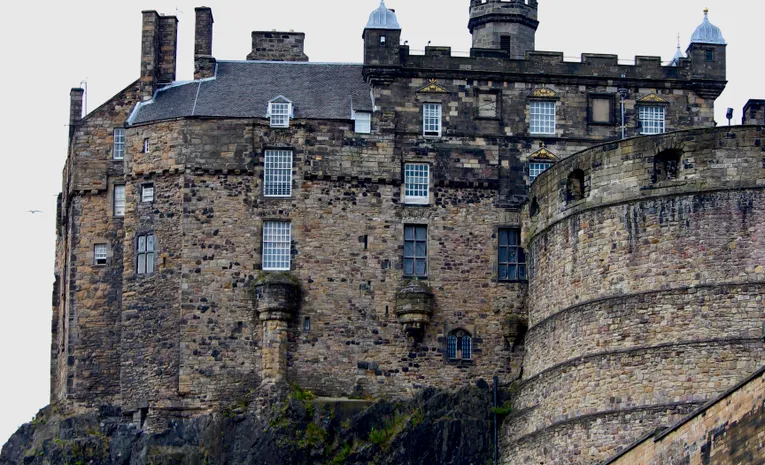
Edinburgh is built across seven hills, with the extinct volcano of Arthur’s Seat and the nine hundred year old Edinburgh Castle giving the city its dramatic skyline. The Old Town’s cobbled streets and closes make it genuinely walkable, and it works well as either a standalone city break or the starting point for a wider Highland trip.
Three days gives enough time for the castle, the Royal Mile, Arthur’s Seat, and a proper look around the New Town, without feeling rushed.
The Isle of Skye: Scotland’s Most Dramatic Scenery
Skye sits in the Inner Hebrides and has built its reputation on genuinely dramatic landscapes, from the jagged Cuillin mountain range to the turquoise waterfalls of the Fairy Pools. It rewards travellers who want serious walking and photography over easy sightseeing.
Two to three days on Skye is a reasonable minimum, though the island easily absorbs a week if hiking is a priority. It’s best reached as part of a wider Highland loop rather than a standalone destination, given the drive involved.
Glencoe: Highland Scenery Without the Detour
Glencoe sits directly on the route between Glasgow and Fort William, making it one of the easiest ways to experience serious Highland scenery without a significant detour. The glen’s steep, brooding peaks and dramatic history make it a strong half-day stop even if you’re not staying overnight.
The North Coast 500: For a Proper Road Trip
The North Coast 500 is a roughly 500-mile loop starting and ending in Inverness, taking in the lochs and golf courses of the east coast, the remote cliffs of Cape Wrath, and the rugged peaks of Assynt and Torridon. It’s the best option in Scotland for travellers who want a genuine week-long road trip rather than a single base.
This route suits confident drivers comfortable with narrow, winding roads, and it rewards those happy to stay in a different small town most nights rather than a fixed base.
Speyside and Perthshire: For a Second Trip
Speyside is Scotland’s whisky heartland, home to the country’s most renowned distilleries alongside quieter countryside than the busier Highland routes. Perthshire offers woodland walks, mountain biking, and a slower, more rural pace, with towns like Dunkeld making a good base.
Both areas suit travellers who’ve already done Edinburgh and the obvious Highland stops and want somewhere quieter for a second or third visit to Scotland.
Inverness and the Orkney Islands
Inverness works as a practical hub for the wider Highlands, with easy access to Loch Ness and Culloden Battlefield. From Inverness, the Orkney Islands are reachable for travellers wanting Scotland’s best prehistoric sites and a genuinely different, remote island atmosphere, best suited to those with a few extra days to spare.
Planning Your Route
- Three to four days, first visit: Edinburgh alone, done properly.
- Seven days, first proper trip: Edinburgh plus Skye or Glencoe, combined into one loop.
- Seven or more days, road trip focus: The North Coast 500, starting and ending in Inverness.
- Return visit: Speyside, Perthshire, or the Orkney Islands, away from the main tourist route.
Scotland’s Islands at a Glance: Skye, Mull and the Others
Beyond Skye, Scotland’s islands divide into a few clear groups. The Inner Hebrides are the easiest to reach: Mull, reached by ferry from Oban, is the practical all-rounder, with Tobermory’s colourful harbour, good wildlife watching and a bridge-free day trip onward to tiny Iona. Islay suits whisky lovers, Jura suits walkers wanting quiet, and Arran, a short ferry ride from the Central Belt, packs Highland and Lowland scenery into one small island, which is why it is often called Scotland in miniature.
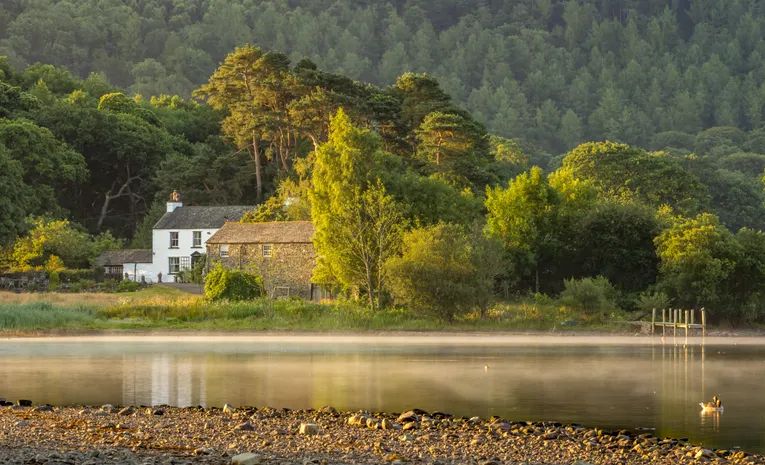
The Outer Hebrides and the northern isles ask more of you. Lewis and Harris, Uist and Barra involve longer ferry crossings or flights and reward slow travel with empty beaches and Gaelic culture, while Orkney and Shetland, covered above for their history, feel like separate trips in their own right. The ferry reality is the same everywhere: crossings are weather-dependent, the popular summer sailings book up for cars, and an island always takes longer to reach than the map suggests, so build the sailing into the plan rather than treating it as a commute. If you are weighing Scotland against the other home nations, our guide to the best places to visit in Wales makes a useful comparison.
What to Pack and Plan for Scottish Weather
The cliché about four seasons in one day is a cliché because it keeps happening: a calm, bright morning in the Highlands can become horizontal rain by lunch and a clear, golden evening. Pack in layers rather than for a single forecast, with a proper waterproof jacket and trousers, a warm mid-layer even in summer, and footwear that can handle wet paths. Conditions change fastest in the hills and on the coast, so carry the waterproofs rather than leaving them at the hotel.
Two seasonal details catch visitors out. In summer, midges appear in still, damp conditions, especially at dawn and dusk near water in the Highlands and islands, so repellent and long sleeves are worth packing from late spring to early autumn. In winter, daylight is short, particularly in the north, where you may have only a few hours of full daylight, so plan driving and sightseeing around the light and keep evenings for towns, pubs and distilleries. For shorter winter trips, our roundup of the best UK city breaks shows which cities work best in the darker months.
Frequently Asked Questions
How many days do I need in Scotland?
A city break in Edinburgh alone needs three to four days. A first trip combining a city and the Highlands needs at least seven days, and a full road trip like the North Coast 500 needs a week on its own.
Is the Isle of Skye worth visiting on a first trip?
Yes, though it suits travellers happy to spend real time driving and walking. It’s best combined with Glencoe or the wider Highlands rather than visited alone.
What’s the best place to visit in Scotland for a first-timer?
Edinburgh is the sensible starting point, combined with one Highland area such as Glencoe or Skye for a well-rounded first trip.
Do I need a car to see the best of Scotland?
For anywhere beyond Edinburgh, yes. Public transport reaches the main towns, but the Highlands, Skye and the North Coast 500 all require your own transport to explore properly.
What is the best month to visit Scotland?
May and September are usually the best all-round months: the weather is often at its most settled, days are long, and the worst of the summer crowds and midges are avoided. June and July bring the longest daylight, including near-midnight twilight in the north, while August adds festival crowds in Edinburgh. Winter months suit city breaks better than Highland touring, when daylight is short and some island services and attractions run reduced hours.
When are midges worst in Scotland?
Midges are mainly a late spring to early autumn problem, at their worst in warm, still, damp weather around dawn and dusk, and near lochs, rivers and boggy ground in the Highlands and islands. Breezy days, bright sun and the coast keep them away, and towns and cities are rarely affected. If you are walking or camping in summer, pack repellent, cover up in the evening, and choose breezy pitches over sheltered ones.
Planning the wider UK leg of your trip? Our UK travel guide covers getting around the country, and see our comparison of travel agent vs booking online if you’d rather have help planning the route.