

Why Packing Smarter Matters More Than Ever
Airfares and baggage fees have climbed steadily, which means the way you pack now has a direct effect on your travel budget. Beyond cost, good packing habits save time at the airport, reduce stress on travel days, and mean you arrive with everything you actually need. Whether you are heading off on a weekend city break or a long-haul holiday, a handful of consistent habits make every trip easier.
Build a Capsule Wardrobe
Rather than packing separate outfits for every day, choose a small set of interchangeable pieces in coordinating colours, such as black, grey and navy. A handful of tops, a couple of bottoms and one layering piece can be mixed and matched to cover a week or more of travel. This single habit is one of the fastest ways to cut down on luggage weight and avoid overpacking.
Use Compression and Packing Cubes
Packing cubes keep your suitcase organised by category, so you are not rummaging through everything to find one item. Compression cubes go a step further, squeezing out excess air and freeing up meaningful extra space in your case. Together, they make it far easier to see at a glance what you have packed and to repack quickly at each stop.
Keep a Permanent Travel Pouch
One of the most useful habits for frequent travellers is keeping a small pouch permanently packed with the essentials: a charging cable, a compact universal adapter, a portable battery pack and any travel-size toiletries you always need. Replenish it after every trip rather than packing from scratch each time. It removes the last-minute scramble for a charger and means you are never caught out by an unfamiliar plug socket abroad.
Deal With Creases Without an Iron
A travel-size wrinkle-release spray is a lightweight way to keep clothes looking presentable without packing an iron or hunting for one at your accommodation. Rolling rather than folding clothes also reduces creasing and saves space at the same time.
Make the Most of Long Layovers
Long layovers do not have to mean hours spent in a departure lounge. If you have six hours or more in a well-connected hub, it is often possible to store your carry-on at the airport’s left-luggage service, head into the city for a meal or a landmark visit, and return comfortably in time for your next flight. Downloading offline maps in advance makes this far easier to plan on the day.
Prepare Before You Reach the Airport
Downloading your boarding pass, offline maps for your destination city, and an offline translation pack all take a few minutes on your home Wi-Fi and remove a lot of friction once you land. Photographing your parking space or noting your gate details is a small habit that saves genuine frustration on the day.
A Simple Carry-On Packing List
If you travel with hand luggage only, or you simply want the bag you keep with you to cover the flight itself, work through this checklist before you zip up:
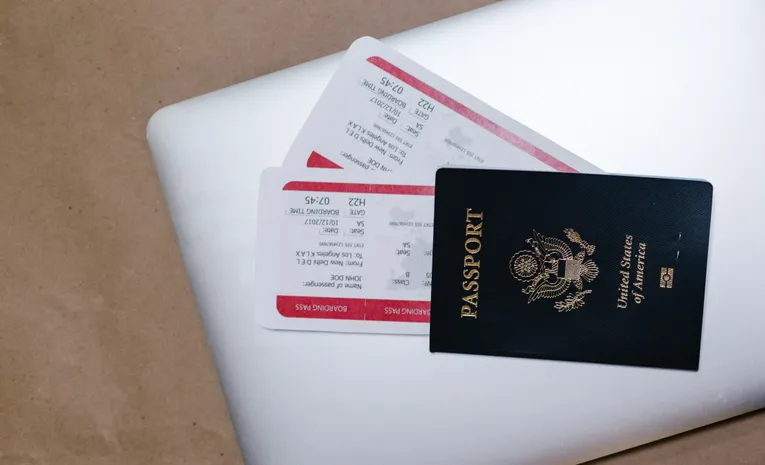
- Passport, boarding pass and any visas or travel documents, kept in one easy-to-reach pocket
- Phone charger, charging cable and a portable battery pack
- A clear liquids bag with toiletries in travel-size containers
- Any medication you rely on, plus basic painkillers and plasters
- A change of clothes and spare underwear, in case a checked bag is delayed
- Layers you can add or remove, such as a jumper or light jacket for the flight
- Headphones and a book, e-reader or downloaded entertainment
- Snacks and an empty water bottle to fill after security
- Valuables such as a laptop, camera and jewellery, which should never go in the hold
Once you have packed this way a couple of times, save the list on your phone and reuse it: most travellers find their carry-on needs barely change from one trip to the next, and a two-minute check beats the sinking feeling of remembering something at the gate.
Packing by Trip Type: Beach, City and Winter
Beach trips are the easiest to pack light for: swimwear, sandals and a few breathable outfits cover most days, and a dry bag or spare plastic bag keeps wet swimwear away from everything else on the way home. Timing matters as much as quantity — as our guide to the best time to visit Croatia shows, shoulder-season beach trips can mix hot afternoons with cool evenings, so one warm layer earns its space even on a sun holiday.
City breaks reward comfortable shoes above almost anything else, because you will walk far more than you expect. Pack outfits that work from daytime sightseeing through to dinner without a complete change, and carry a small cross-body bag or daypack for water, a layer and anything you pick up along the way.
Winter trips are where luggage weight creeps up, because boots, coats and knitwear are bulky — so wear your heaviest items to travel in rather than packing them. Thermals and thinner layers trap more warmth than one very thick jumper, and a compression cube for knitwear makes a noticeable difference to the space left for everything else.

What to Keep in Your Hand Luggage, Always
Whatever the trip, a few things should always travel with you in the cabin rather than in the hold: your passport and documents, medication, valuables such as a laptop, camera and jewellery, and anything you would be genuinely stuck without for 24 hours. Add a change of clothes and basic toiletries, and a delayed or lost checked bag becomes an inconvenience rather than a disaster.
On longer flights, a small comfort kit earns its space too — headphones, an eye mask and something to read help the hours pass, and our guide on how to avoid jet lag explains how sleep, light and timing can help you arrive feeling human. Allowances vary, so always check your own airline’s current hand-luggage size and weight limits before you pack, rather than relying on what worked with a different airline or fare type.
Frequently Asked Questions
How can I pack lighter without leaving essentials behind?
Stick to a capsule wardrobe of interchangeable pieces, use compression packing cubes, and keep a pre-packed tech and toiletries pouch ready to go for every trip.
What is the easiest way to avoid wrinkled clothes while travelling?
Roll rather than fold your clothes, and carry a small wrinkle-release spray for anything that still comes out creased.
Is it worth leaving the airport during a long layover?
If your layover is six hours or longer and you are in a well-connected city, it can be worth it, provided you use left-luggage storage and plan your route with offline maps in advance.
How do I stop my suitcase being overweight?
Weigh your bag at home before you leave — a cheap handheld luggage scale pays for itself the first time it saves an excess-baggage fee. Wear your heaviest shoes and coat to travel, decant toiletries into travel-size bottles, and be honest about what you will actually wear: most overpacking is “just in case” items that never leave the case. If you are close to the limit, compression cubes and a capsule wardrobe usually free up the margin you need.
What should never go in checked luggage?
Anything valuable, fragile or irreplaceable: your passport and travel documents, medication, money and bank cards, laptops, cameras and other electronics, jewellery, and keys. Lithium batteries and power banks must travel in the cabin anyway. The rule of thumb is simple — if losing it would ruin the trip or be hard to replace at your destination, it goes in your hand luggage, never in the hold.
Planning a trip and want help putting the logistics together, from transport to timing? Get in touch with our team and we will help you plan a smoother journey from start to finish.