

Quick Answer
With one day in London, prioritise the Tower of London or British Museum, a walk along the South Bank, and a London Eye ride at sunset. With a long weekend, add Buckingham Palace, Borough Market and a West End show. With a full week, branch out to Camden, Notting Hill, and a day trip to Oxford, Cambridge or Windsor.
Plan Around Your Trip Length, Not a Single List
London has more than 42 million visitors exploring its attractions every year, and nine of the UK’s ten most visited attractions sit within the city. That scale is exactly why a flat list of “top things to do” isn’t that useful on its own. What actually helps is knowing what to prioritise based on how much time you genuinely have.
One Day in London
With just a single day, focus on one major landmark rather than trying to cover several. The British Museum, home to the Rosetta Stone among its vast collection, gives a strong cultural anchor for the morning, or the Tower of London offers nearly a thousand years of royal history if you’d rather focus on that.
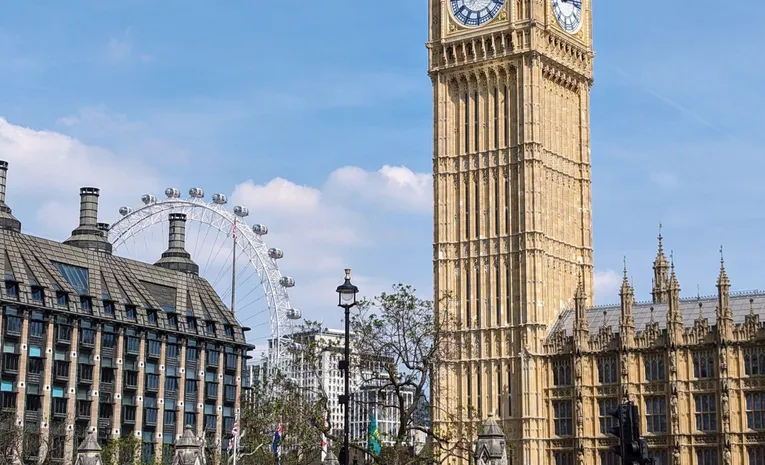
Spend the afternoon walking the South Bank, taking in views of the Houses of Parliament and Big Ben across the Thames, before finishing with a London Eye ride timed for sunset. From the top, you can spot more than fifty five London landmarks, and the golden hour light makes it a genuinely memorable way to close out a short visit.
A Long Weekend in London
Two to three days lets you add real depth. Buckingham Palace is worth building a morning around, particularly if your dates line up with the State Rooms being open to the public over summer. Borough Market, one of London’s oldest food markets, is best visited Wednesday to Saturday when the widest range of vendors are trading, making it a strong lunch stop.
Evenings suit a proper London tradition: booking a West End musical or play gives you a genuinely different side of the city than daytime sightseeing, and tickets are worth booking ahead for the most popular shows.
If you’re planning the trip as a couple, our guide to the romantic things to do in London, by occasion and budget will help you build a special evening into any of these plans.
A Full Week in London
With a week, move beyond the central landmarks into London’s neighbourhoods. Camden’s markets and canal-side pubs, Notting Hill’s colourful streets, and Shoreditch’s street art and independent food scene all give a genuinely different feel to central London’s more famous sights.
A week also gives room for a day trip out of the city. Oxford and Cambridge, both around an hour by train, offer historic university towns and, in Cambridge’s case, the option to go punting along the river. Windsor, home to Windsor Castle, makes an easy half-day trip, while Salisbury combines a striking cathedral with easy access to Stonehenge.
Practical Tips Before You Go
Book tickets for major attractions like the London Eye, Warner Bros. Studio Tour and popular West End shows in advance rather than on the day, both to guarantee your preferred time slot and to often save money compared with walk-up prices.
London’s tipping culture is lighter than many visitors expect, generally around ten per cent, and many restaurants already include a service charge on the bill, so it’s worth checking before adding extra.
The Underground and buses cover the city thoroughly and are usually the fastest way to get between attractions, particularly during peak sightseeing hours when road traffic in central London can be slow.
London by Area: Where the Main Sights Cluster
London’s sights are not spread evenly across the city. They cluster in a handful of areas, and planning a half day around one cluster at a time saves a surprising amount of travel time compared with zigzagging between single sights. The best-known cluster is Westminster and the South Bank: the Houses of Parliament and Big Ben, Westminster Abbey and Buckingham Palace sit on one side of the river, with the London Eye and the South Bank walk directly opposite, so most of it can be covered comfortably on foot in one block.
To the east, the City, the historic Square Mile, holds another tight cluster: St Paul’s Cathedral, the Tower of London and Tower Bridge are all within walking distance of each other along the Thames. West of the centre, South Kensington groups three major museums, the Natural History Museum, the Science Museum and the Victoria and Albert Museum, within a few minutes’ walk of one another, which makes it the most efficient area in London for a museum-heavy day. Treating each cluster as a single outing turns what looks like a long list of sights into three or four manageable walks.
The markets follow the same pattern. Borough Market sits just south of London Bridge, the east offers Spitalfields and Brick Lane, and the north has Camden Market, so it makes sense to pair each market with the sights in its own part of the city rather than crossing London specially for it. Grouping your days this way is also what makes London work as a short stay, which is why it leads most comparisons in our guide to best UK city breaks.
Free and Low-Cost Things to Do in London
London can be one of the cheapest big-city days out in the UK if you build it around what is free. Many of its world-class museums and galleries charge nothing for general entry, including the British Museum, the National Gallery, Tate Modern and the South Kensington museums, so a full day of major sights can cost little more than your transport and food. Special exhibitions inside those venues are usually the paid extra, which means you can choose to add one without paying for everything.

The parks are the other great free resource, from St James’s Park and Hyde Park in the centre to Greenwich Park and Richmond Park further out. Skyline views do not have to mean a paid observation deck either: the South Bank, Primrose Hill and Greenwich Park all give wide views across the city for nothing, and a sunset walk along the Thames is one of the best experiences in London at any budget. Markets, too, cost nothing to browse, and places such as Borough, Camden and Spitalfields are worth visiting for the atmosphere even if you only spend on a coffee or a single street-food lunch.
A low-cost London day is mostly about sequence: pick one area cluster, fill it with a free museum, a park and a market, and add just one paid highlight if you want it. If London is the first stop on a longer UK trip, our guide to the best places to visit in Scotland shows how to plan the route north from the capital.
Frequently Asked Questions
What should I prioritise with only one day in London?
One major landmark such as the Tower of London or British Museum, a walk along the South Bank, and a sunset ride on the London Eye covers the essentials well in a single day.
How many days do you need to properly see London?
Three to four days covers the main landmarks and a couple of neighbourhoods comfortably. A full week allows time for day trips to places like Oxford or Windsor as well.
Is London expensive to visit?
It can be, but booking attraction tickets in advance, using an Oyster or contactless card for transport, and taking advantage of the city’s many free museums all help keep costs down.
What’s the best day to visit Borough Market?
Wednesday through Saturday, when the widest range of vendors are trading. It’s closed on Sundays.
How much does a day in London cost?
It varies widely depending on how you spend it, so there is no single typical total. A day built around free museums, parks and walking, using public transport and a market lunch, can be relatively low-cost. A day that adds several paid attractions, a West End show and restaurant meals will cost several times more. Transport is one of the more predictable parts, because contactless and Oyster fares are capped by the day.
Are London attraction passes worth it?
Only for some itineraries. Add up the individual entry prices for the paid attractions you will definitely visit, check how many you can realistically fit into your days, and compare that total with the pass price before you buy. A pass can save money on a packed, landmark-heavy trip, but it rarely pays off if your plans lean on London’s many free museums and parks.
Planning a UK trip that includes London? See our UK travel guide and our comparison of travel agent vs booking online if you’d rather have help planning the trip.